Introduction – More Than Just a Flip
Almost everyone has flipped a coin at some point in life — to decide who goes first, to settle a small argument, or just for fun. It looks like a simple act, but have you ever stopped to think about where this tradition came from? A small round piece of metal, tossed in the air, has influenced games, politics, and even justice systems across the world. That tiny spin carries a history that stretches back thousands of years. Today, with online tools like Coinflips, the same practice continues in a digital form. Let’s explore how something so ordinary became so meaningful.
Ancient Beginnings: When Coins Decided Fate
Long before smartphones and apps, people still needed ways to make quick decisions. In ancient Rome, the practice was called “navia aut caput” — ship or head. One side of the coin carried a ship, the other a head, and children as well as adults would flip it to settle disputes.
The Greeks also trusted chance. To them, randomness was not meaningless — it was believed the gods guided the result. In some parts of China and India, small objects like shells or marked stones were tossed in the same way to let fate decide.
👉 These traditions weren’t just about fun. Back then, coin tossing was linked to fairness, destiny, and even divine will.
From Ritual to Practicality: Medieval Times
As coins became more common, tossing them naturally turned into a way of making decisions in everyday life.
- In England, coin tossing sometimes decided disputes when judges wanted a neutral outcome.
- During the Middle Ages, it became part of markets and gambling, where fairness mattered.
- Even kings and nobles relied on it at times, because a flip was often seen as more trustworthy than a biased human decision.
This era marked a shift: coin tosses went from being mystical acts to becoming social tools for fairness.
Sports and the Coin Toss Tradition
Today, we can’t imagine sports without the coin toss. But this wasn’t always the case.
- Cricket: The toss decides batting or bowling — a choice that can influence the whole match.
- Football (Soccer): A flip determines who kicks off or which side to defend.
- NFL (American Football): In the US, the pre-game toss is almost ceremonial, adding excitement before the action begins.
The reason sports adopted it is simple: the toss is neutral, quick, and trusted worldwide.
Beyond Luck: The Science of Tossing Coins
At first glance, it looks like a perfect 50/50 chance. But scientists have found interesting details:
- Probability: Mathematically, each side should land with 50% likelihood. This is one of the first examples taught in statistics.
- Bias Exists: Some experiments show that if a coin starts heads-up, it is slightly more likely to land on heads again — a tiny but measurable bias.
- Human Psychology: People often use a coin toss to confirm their own feelings. If the result disappoints them, they suddenly realize what they truly wanted in the first place.
So the toss is not only about chance; it’s about math, physics, and human decision-making.
Politics, Law, and High-Stake Coin Flips
It may sound strange, but coin tosses have influenced serious outcomes too:
- In US elections, ties in small towns and even state legislatures have been settled by flipping a coin.
- Some court systems historically allowed tosses when juries were stuck or when neither side could agree.
One flip of metal has decided who holds office, who goes free, and who doesn’t — showing how much trust people have placed in it.
The Digital Age: Flipping Without a Coin
Fast forward to today, and life looks very different. Many people don’t carry coins anymore. Yet the need to make random, fair decisions hasn’t gone away. That’s why online coin flipping tools are becoming popular.
- With just a click, you can simulate a fair toss.
- Digital platforms use random number generators (RNGs) to remove bias.
- These tools are handy in online meetings, remote classrooms, or games with friends.
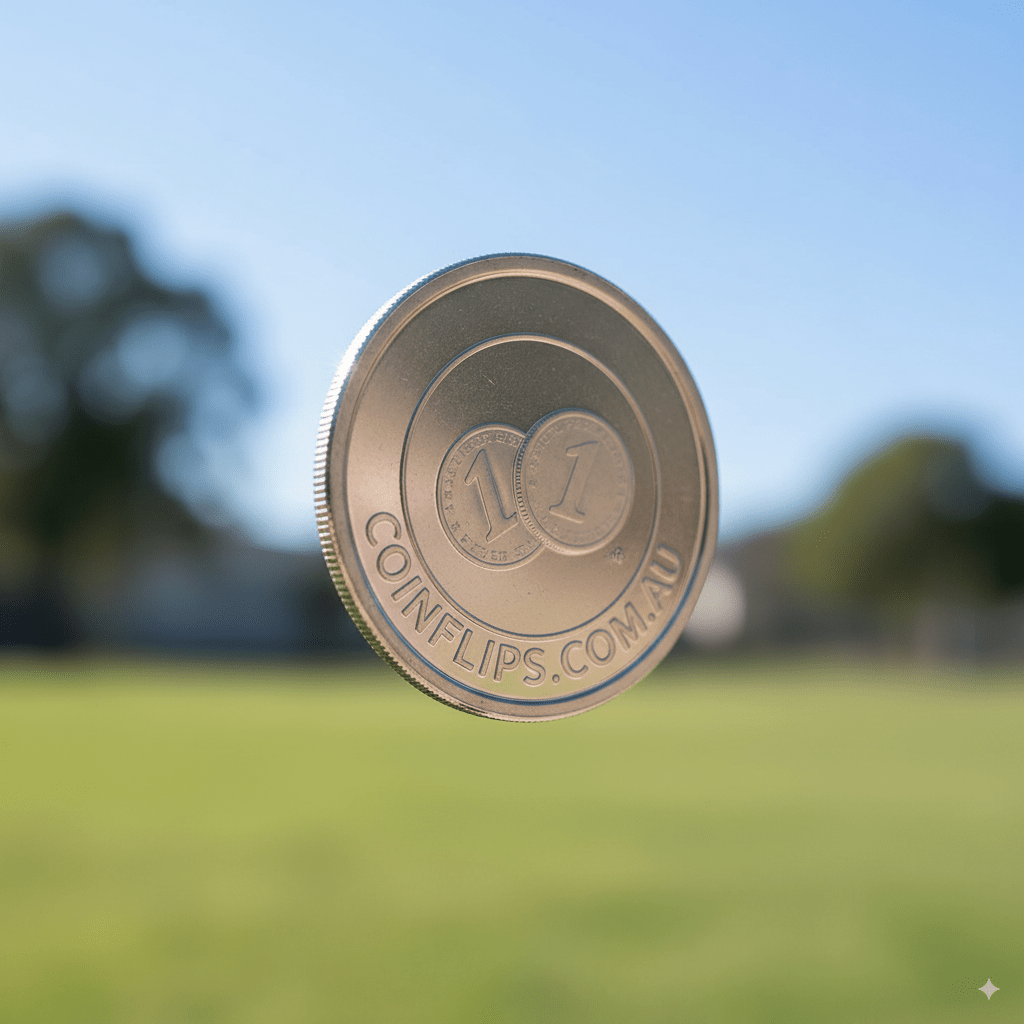
Websites like CoinFlips bring this ancient tradition into the modern era — keeping the spirit alive in a digital world.
Why Digital Tossing Works So Well
Here’s why more people now prefer online tools:
- Instant Access: No need to search for a real coin.
- Universal Use: Perfect for groups spread across the globe.
- Customization: Choose designs, flip multiple coins, or add animations.
- Fairness: RNG-based results ensure the outcome is unbiased.
It’s not about replacing history, but about updating tradition with technology.
Conclusion – A Timeless Act
From Roman rituals to online apps, the coin toss has remained one of the simplest ways to let chance decide. It has shaped games, politics, and daily life. The fascinating part is how something so small continues to matter even in the age of technology.
Next time you’re stuck deciding dinner plans or who takes the first turn in a game, remember — a quick flip has been humanity’s go-to method for centuries. And if no coin is around, just use a free online coin flip tool to carry on the tradition in a modern way.
 Site Title
Leave a comment